
Planting demand
New plants, established shrubs, trees, annual beds and containers may need different emitter flow, spacing or schedules.
Water delivered where plants need it
Targeted drip irrigation for garden beds, planters, trees and shrubs with control matched to the planting.
The scope
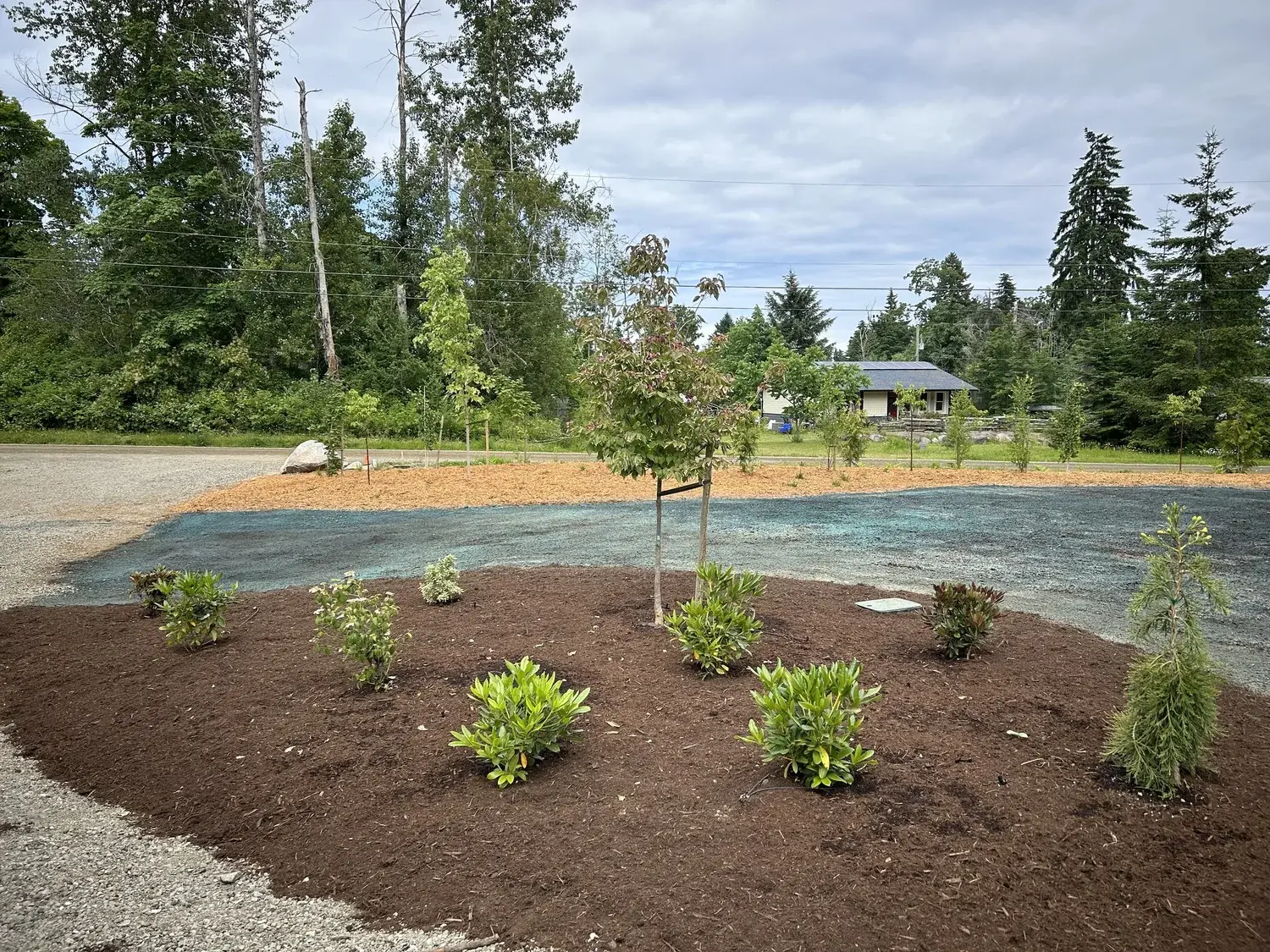
Drip irrigation applies water directly through the planted area instead of broadcasting it across paths and open surfaces. We build garden zones around bed layout, plant groupings, pressure requirements and access for future maintenance.
Planning the work
Drip irrigation should match plant demand and garden layout while providing filtration, pressure control and practical access for inspection and seasonal maintenance.
New plants, established shrubs, trees, annual beds and containers may need different emitter flow, spacing or schedules.
Drip components require clean water and suitable operating pressure to reduce clogging and uneven delivery.
Distribution tubing and emitter placement are planned around plant locations, mulch, edges and future access for changes.
Garden drip is normally separated from lawn sprinklers because application rates and watering duration are very different.
The RiverCity difference
Separating garden irrigation from lawn sprinklers gives each planting area a more appropriate schedule and keeps water focused inside the beds.
Our process
We review bed layout, plant types, exposure, soil and practical watering groups.
Valves, regulation, filtration and drip components are installed and secured within the planted areas.
The system is flushed and tested, then programmed around establishment and seasonal needs.
Preparing an accurate quote
Good early information reduces assumptions and helps identify the right site visit, measurements and construction approach for your garden drip project.
Start your project requestCommon questions
Yes. New garden installation is an ideal time to place valves and dripline before mulch or decorative rock is finished.
Often it can, provided the controller has available capacity and the system can support a properly regulated garden zone.
Filtration and pressure regulation are important for reliable emitter performance and are selected around the water source and components.
Vancouver Island service areas
Start a project
Tell us the property location, what you want to build and what the site needs. We’ll review the details and recommend the right next step.